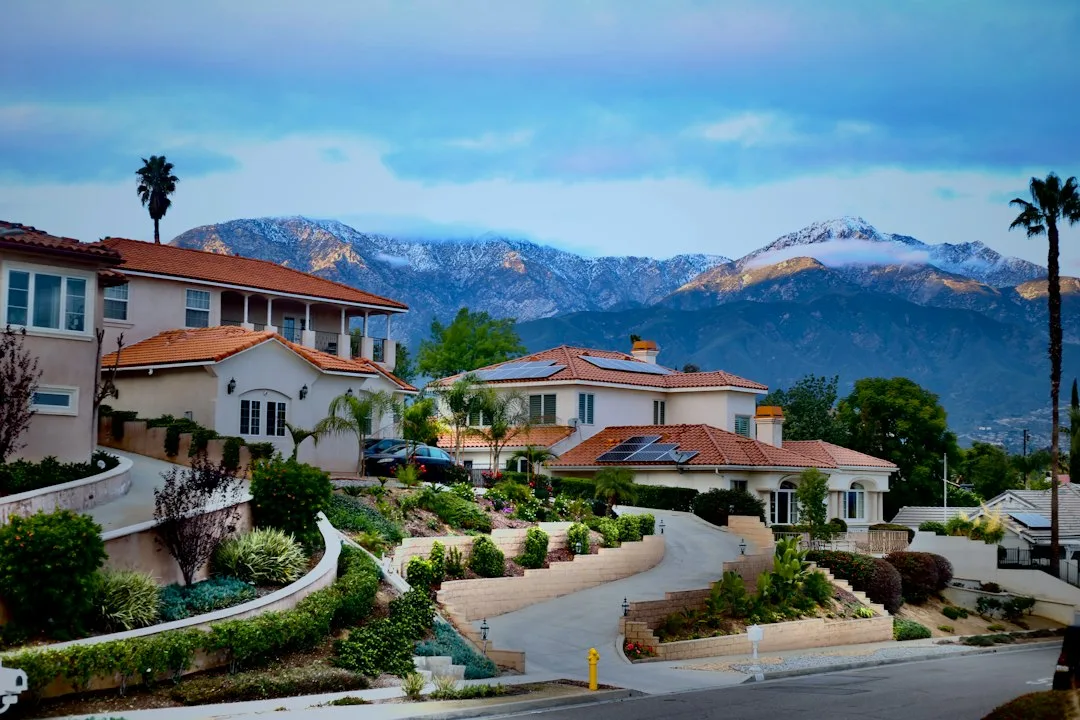
On September 18, 2026, Insurance Commissioner Ricardo Lara reported that State Farm, California's largest homeowners insurance writer, and Allstate have filed plans to begin writing new residential policies in the state. Both companies had previously closed to new homeowners business, and the California Department of Insurance frames the filings as a move to reopen.
For anyone commissioning a custom home in Malibu, Beverly Hills or the Westside, the announcement matters for a specific reason: a new house needs a new policy. Renewal decisions shape the experience of existing owners, but new construction depends entirely on whether a carrier is willing to write a first policy at all.
What the Department actually announced
The wording is precise and worth reading as such. According to the Department's release, the two carriers have filed plans to begin writing new residential policies. A filing is an intention submitted to the regulator, not an open door on the day it is announced. The same release ties the significance of the move to the scale of the companies involved, identifying State Farm as the state's largest homeowners writer.
#1 — State Farm's position among California homeowners insurance writers
2 — major carriers, State Farm and Allstate, filing to write new residential business
September 18, 2026 — date of the Department of Insurance announcement
The details that will matter most to a buyer of new construction live in the filings themselves rather than in the headline: eligibility criteria, inspection requirements, territories, and how wildfire mitigation is credited in pricing. Those are the terms that decide which homes are written first, and on what conditions.
What it means for Los Angeles new construction
A reopening is not the same as unlimited capacity. When large carriers return to new business after a period of closure, they return selectively. The houses that move through underwriting most easily are the ones whose risk profile can be documented quickly: roof assembly and rating, vent specification, eave and soffit detailing, glazing, the treatment of the first five feet around the structure. Every one of those is a design decision before it is an insurance variable.
This shifts the conversation for owners who had treated the FAIR Plan as the default endpoint for a high-value home in a fire-exposed canyon or hillside lot. If admitted-market capacity returns, the question becomes how competitive a given house is for that capacity. An existing wood-frame residence answers with what it already is. A new commission answers with what its architect chooses to specify, and those choices can be resolved with the same care as proportion, light and material.
There is also a timing dimension. A residence designed now will typically seek its first policy well after the current filings have been reviewed and, where approved, put into practice. The underwriting standards being written into this round of filings are therefore the standards a 2026 commission should be designed against, not the ones that applied during the market's most constrained period.
What to watch next
Three signals will show whether this is a turning point or a cautious opening: how the Department rules on the State Farm and Allstate filings, whether other major carriers follow with filings of their own, and how explicitly the approved terms reward documented mitigation. For the luxury segment, the most useful outcome would be underwriting that prices construction quality directly. That would make the design brief and the insurance brief, finally, the same document.