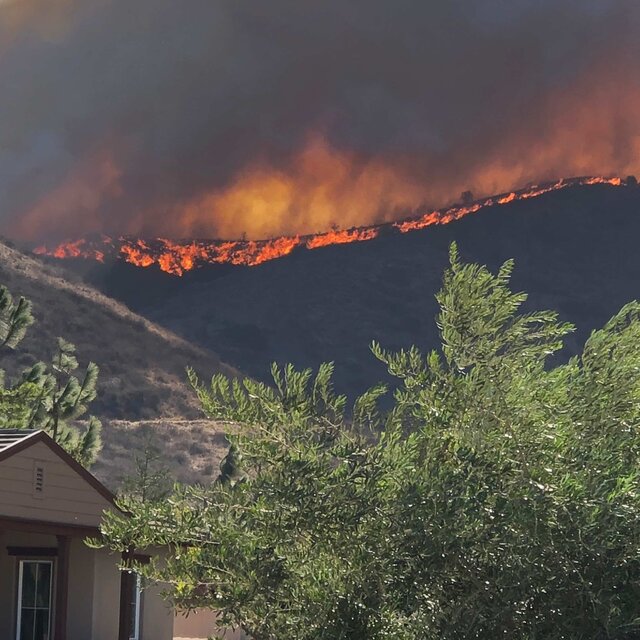
California developers and the capital partners behind them are reorganizing their decisions around a single question that used to come last: will the finished home be insurable? In a June 2026 analysis, GlobeSt reports that wildfire risk and the state's insurance crisis are now directly reshaping how new home construction is conceived, financed, and underwritten. As the report frames it, climate risk and the insurance crisis are "absolutely reshaping development decisions across California" — moving resilience from an aesthetic preference to a determinant of long-term asset value.
The signal worth noting is where the conversation now happens. It is no longer the homebuyer at closing weighing premiums. It is the developer at the feasibility stage, and the capital partner evaluating whether a project pencils out at all once insurance and resale are priced in.
The data behind the shift
According to the GlobeSt analysis, the intersection of climate risk, underwriting, and long-term asset value is where firms are reassessing how resilience affects a project's viability. The underwriting question is now upstream of design — a structural input rather than a downstream cost line.
That reframing aligns with how the state has structured its mitigation rules. Under California's Safer from Wildfires framework, the California Department of Insurance requires insurers to recognize mitigation across three layers — the structure itself, the parcel around it, and the surrounding community. A development that addresses all three at the design stage is speaking the underwriter's language before a quote is ever requested.
3 — mitigation layers California insurers must recognize (structure, parcel, community).
Upstream — where the insurance question now sits in a development's timeline.
The practical consequence is that a project's resilience profile increasingly behaves like a financial covenant. Capital partners reassessing underwriting and asset value, as the GlobeSt report describes, are effectively pricing the probability that a home remains insurable — and resaleable — across a multi-decade hold.
What it means for the LA market
For Los Angeles, where the highest concentration of fire-exposed luxury parcels meets the highest insurance pressure, this is a meaningful reordering of priorities. The Westside and coastal markets have long competed on view, finish, and brand. The GlobeSt framing suggests a quieter competition is now running underneath: which projects are structured to stay financeable when a carrier or a capital partner runs the resilience math.
This favors developers who treat the envelope as a financial instrument, not a styling choice. A home whose resilience is decided at feasibility — rather than retrofitted near completion — gives every party downstream fewer unknowns. The buyer inherits a cleaner insurance file; the capital partner inherits a more defensible asset-value assumption. In a market where coverage availability can swing a sale, that durability of financing may matter as much as durability of structure.
The reordering also rewards transparency. When underwriting moves upstream, the projects that win are the ones that can show how they are built — not just what they look like when finished.