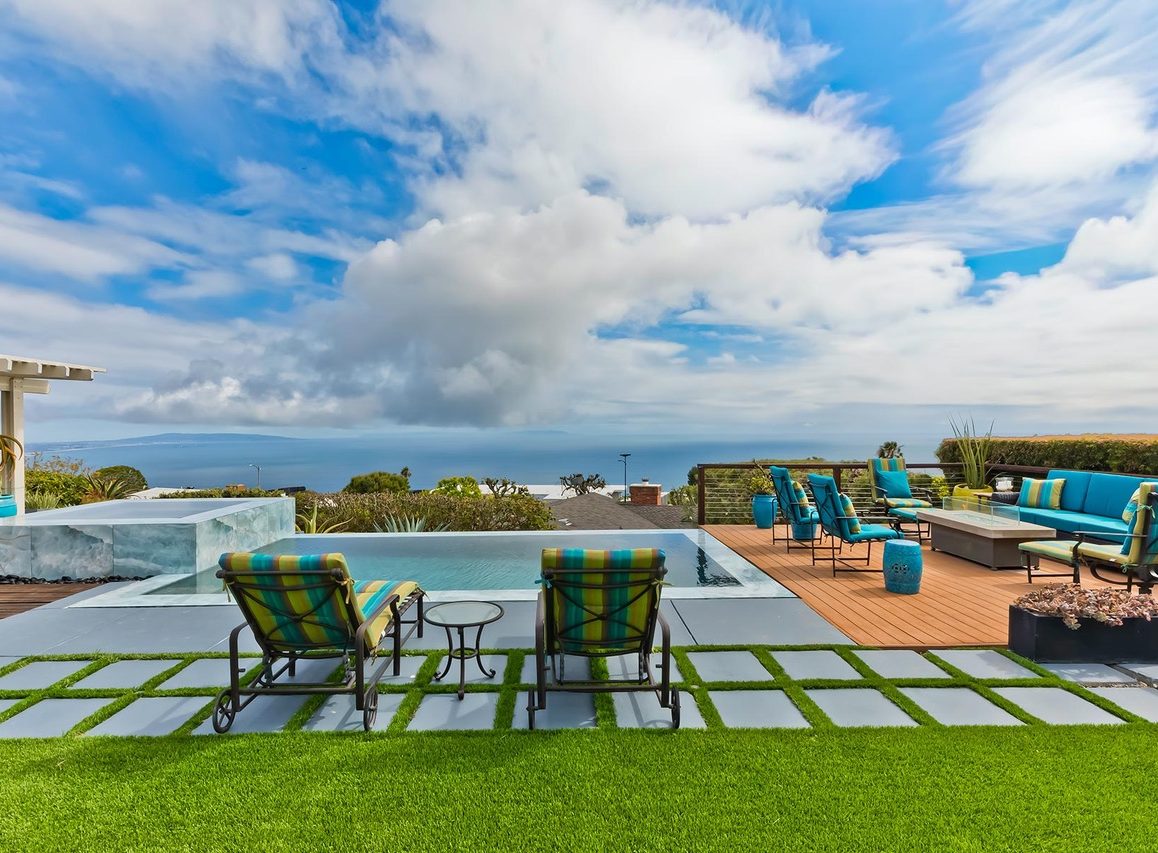
A counterintuitive pattern is emerging in the Pacific Palisades housing market. According to the Palisadian-Post, demand over the past six months has not concentrated where many expected — in the least-affected pockets with minimal nearby construction and disruption. Instead, the data suggests buyers are actively pursuing standing homes across the broader rebuild landscape, including blocks where active construction and recovery continue around them.
The reemergence of this standing-home segment is a meaningful signal. It tells us that the appetite for structures that endured the fire cycle is real, durable, and not contingent on a pristine, untouched setting. The premium is on the building itself.
The Data Behind the Shift
The Palisadian-Post reports that the assumption guiding much early forecasting — that buyers would cluster only in low-disruption neighborhoods — has not held. Over a roughly six-month window, the standing-home market has reemerged with breadth, drawing demand even toward areas where rebuilding is visibly underway nearby.
6 months — the window over which standing-home demand reemerged across the Palisades, per the Palisadian-Post.
3 layers — the structure, parcel, and community mitigation layers California's Safer from Wildfires framework requires insurers to recognize, per the California Department of Insurance.
Two forces likely drive this. The first is simple availability: a standing home offers immediate occupancy in a market where new construction faces long entitlement and build timelines. The second is more telling. A structure that came through the fire and remains insurable under the state's evolving underwriting rules carries proof of performance. The California Department of Insurance Safer from Wildfires framework now asks insurers to recognize verified mitigation across structure, parcel, and community — and a home that has already demonstrated resilience sits favorably against that test.
What It Means for the LA Market
For the broader Los Angeles luxury market, the Palisades data reframes a long-standing assumption. Buyers have historically priced location, view, and finish at the top of the stack, with structural resilience treated as a technical footnote. This pattern inverts that order. When demand flows toward homes specifically because they endured — and because they can still be insured on what they are — the building's physical performance has become a pricing input, not a disclosure line.
The premium is no longer only on the address. It is increasingly on the structure's demonstrated ability to last.
This has a clear implication for anyone commissioning new construction in California's fire-exposed luxury corridors, from the Palisades to Malibu to the Westside. The standing-home premium is, in effect, the market paying retroactively for a quality that could have been specified from the outset. A buyer chasing a surviving structure is purchasing durability they had no hand in designing. The alternative — building that durability in deliberately — is available to anyone starting from the ground up.
It also signals patience in capital. Buyers willing to absorb the disruption of an active rebuild zone in exchange for a structure that endured are making a long-horizon judgment about permanence over convenience.
Looking Ahead
As California's underwriting rules continue to reward verified resilience, expect the standing-home signal to sharpen rather than fade. The buildings that hold their value in this market will be the ones whose performance is provable — and increasingly, that proof will be designed in from the first drawing rather than discovered after the fact.