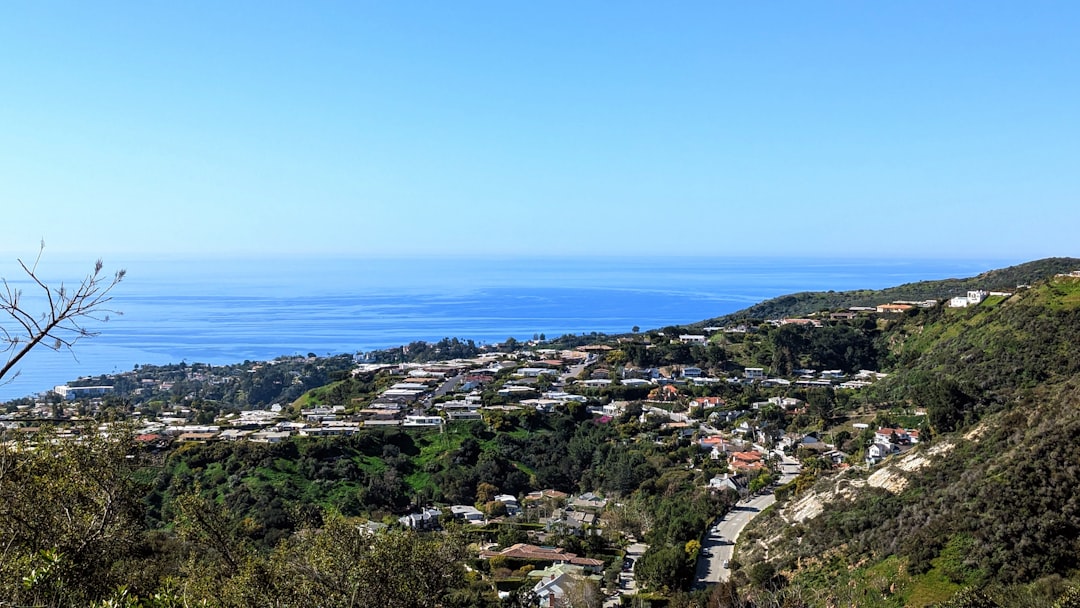
Roughly fifteen single-family homes in the Pacific Palisades 90272 fire zone have been fully rebuilt with Certificates of Occupancy as of late May 2026, according to a summary of Pali Builds and Palipost tracking data circulated on X. Against that figure sit approximately 928 permits issued for new single-family rebuilds — with 65 of those granted in May alone — and hundreds more applications in review or under construction. The headline is not the permit volume. It is the distance between a permit and a finished house.
The data: permits race, completions crawl
The same tracking data notes that completions lag permits because of timelines, costs, and insurance — and that official city and county dashboards show a similar slow-but-steady pace across the burn area. In plain terms: for every home that has crossed the finish line, roughly sixty permitted projects have not.
~15 homes rebuilt with Certificates of Occupancy in Palisades 90272
~928 permits issued for new single-family rebuilds
+65 new permits issued in May 2026 alone
A permit count measures intent and entitlement. A completion count measures delivery. The two diverge whenever the constraint sits downstream of the permit office — in financing that has to clear, in insurance that has to be secured before a lender funds, and in the construction process itself, which on a custom home is long, sequential, and exposed to weather and labor availability. The Palisades numbers show all three constraints biting at once.
What the gap means for Los Angeles
For the wider LA market, the lesson is not that rebuilding has stalled — permits issued at a clip of dozens per month are a sign of genuine momentum. The lesson is that the binding constraint has moved past paperwork and into execution. When 928 households have the right to build and fewer than two dozen have keys, the differentiator is no longer approval. It is how reliably a given construction method converts a permit into an occupied home.
A permit is a decision. A Certificate of Occupancy is a system delivering on it.
That reframes a choice many owners treat as cosmetic. The build method an owner selects at the start largely determines whether they join the fifteen or the 928. Methods that resolve more of the work before ground is broken — engineering, fabrication, sequencing — tend to be more predictable in the field than methods that improvise on site. In a constrained labor market with insurance approvals gating every draw, predictability is the scarce resource.
The pipeline is thinner than it looks
It is worth stating clearly: the new-construction pipeline in the Palisades is real but thin at the finished end. A buyer or owner reading only the permit figure would overestimate how much standing, occupiable inventory exists. The honest number is the completion count — and that count rewards whichever approach can shorten and de-risk the path from permit to keys.