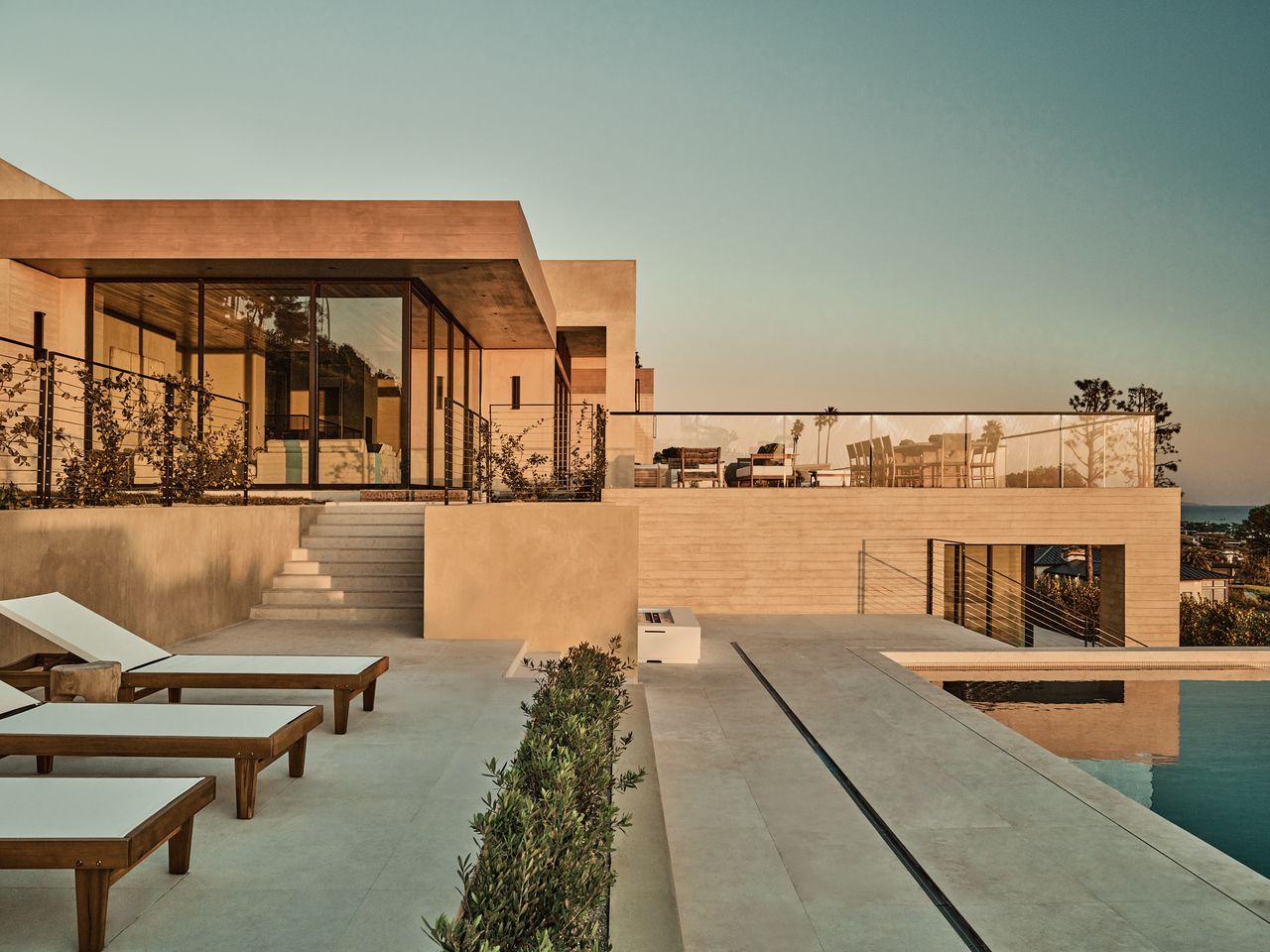
The Agency RE has published its latest “Fresh Foundations” roundup, spotlighting five newly completed luxury homes across greater Los Angeles. The feature, dated March 2026, is aimed squarely at HNW buyers and the brokers who advise them — a curated window into what the Westside's top-of-market spec pipeline looks like this cycle. For buyers weighing whether to purchase finished inventory or commission a custom build, the roundup is a useful market signal: it reveals which typologies, finishes, and amenity sets developers are betting on as the region emerges from an unusually turbulent 18 months.
What The Agency Is Showcasing
The Agency RE's editorial coverage of luxury new construction functions as a leading indicator for where spec developers believe demand is consolidating. The “Fresh Foundations” feature presents five recent builds positioned for the top of the Westside market, with emphasis on architectural statement, curated finish palettes, and lifestyle amenities calibrated for buyers who expect move-in-ready delivery.
Two things are notable about the selection. First, the homes are framed as architectural commodities — designed to be bought rather than co-created. Second, the editorial language privileges visual identity (facade, interiors, view corridors) over structural specification. This is standard for the spec segment, but it stands in contrast to a parallel conversation now reshaping the California luxury market: the one about insurability, material durability, and code compliance under the 2026 WUI framework that took effect January 1.
new luxury homes featured
publication date of the Agency RE roundup
geographic scope of the feature
Why Custom Buyers Should Read Spec Roundups Carefully
For a buyer in the $10M+ segment, a roundup like The Agency's is less a shopping list than a diagnostic tool. It tells you what developers think the market will absorb in the next 12 months. When spec inventory leans heavily on finish-driven differentiation — rather than on structural performance or long-horizon insurability — it is typically because the development finance cycle rewards surface over substance: the builder exits at close of escrow, and the owner inherits the long-tail variables.
That handoff is where the math gets interesting. A Westside buyer who closes on a new-construction home in 2026 now operates in a market where carriers evaluate the building envelope, not just the ZIP code. The California Department of Insurance's Safer from Wildfires framework ties premium discounts directly to mitigation features built into the structure. Homes finished before those features were standard may present finishes-first and questions-later — and the questions tend to arrive at renewal.
The Signal Beneath the Inventory
The broader read: Los Angeles's luxury new-construction market in 2026 is bifurcating. On one side sits traditional wood-frame spec — beautifully finished, quickly delivered, priced for the current cycle. On the other, a smaller but growing set of custom projects organized around material permanence, climate engineering, and native code compliance. Roundups like The Agency's will, over time, start to reflect that divide. For now, buyers reading them should treat finishes as the visible layer and ask what is beneath.
The most consequential question in today's Westside market is not “which home has the better kitchen.” It is which home was engineered for the next twenty years of California, rather than the last three.