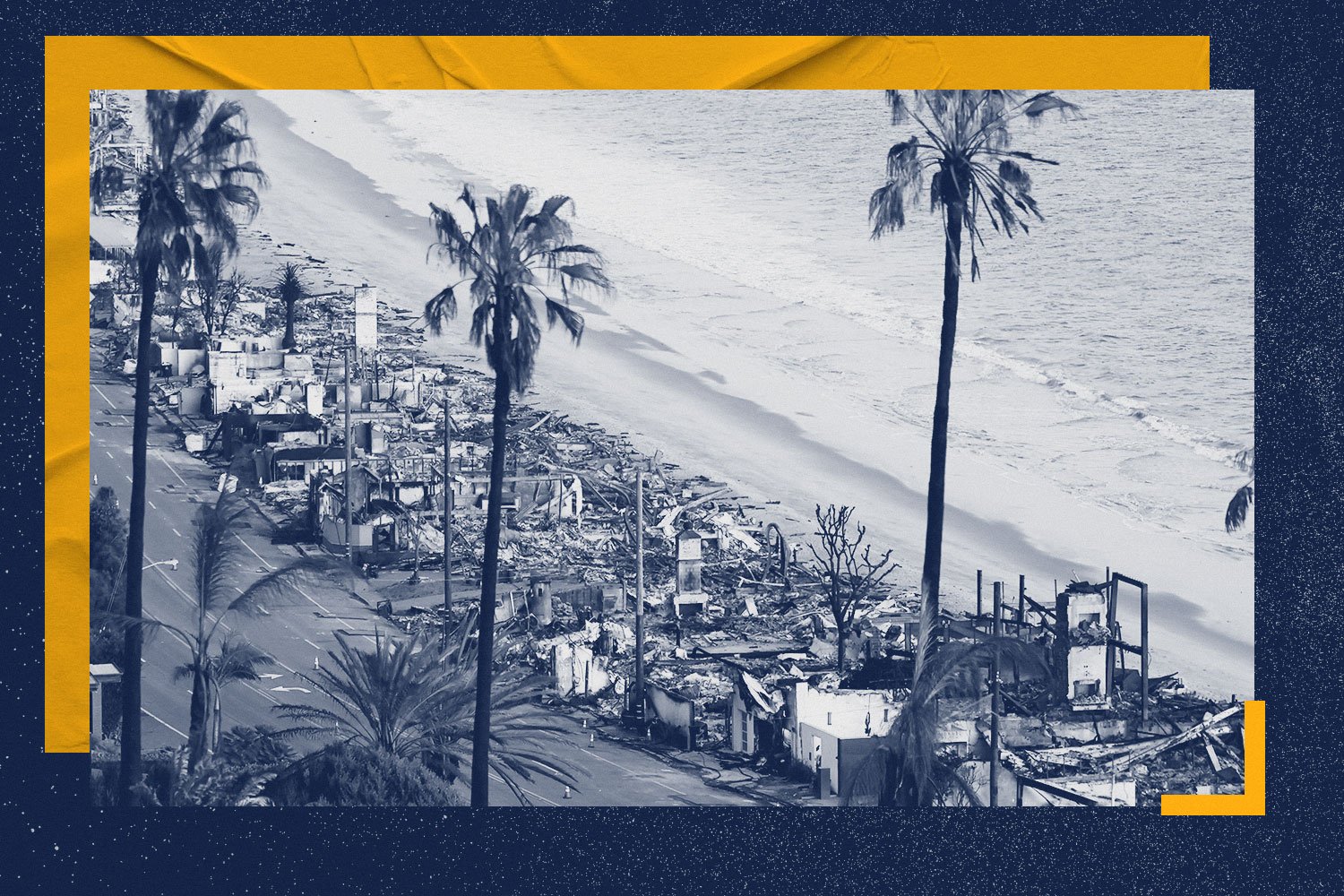
An unidentified foreign investor has acquired nine burned Malibu parcels for roughly $65 million, one of the largest single-buyer consolidations reported along the Palisades Fire burn path. The deal, closed in August 2025, was detailed by The Real Deal, which noted the buyer is positioning for ground-up development rather than a quick flip.
The transaction is notable less for its headline dollar figure than for its structure: nine parcels, one buyer, no public name. In a market where coastal lots typically trade one at a time to end-users, a consolidation of this size signals institutional-grade capital quietly underwriting California's rebuild cycle.
What the numbers say
At approximately $7.2 million per lot on a blended basis, the pricing sits well below pre-fire improved-value comps for equivalent Malibu coastal frontage, but meaningfully above land-only valuations in less exposed inland submarkets. The Real Deal reports the buyer intends to develop the sites, which implies a full rebuild spend layered on top of the acquisition basis.
$65M — Reported acquisition price for nine burned Malibu parcels, August 2025.
9 lots — Consolidated under a single undisclosed foreign buyer, among the largest reported on the Palisades Fire burn path.
~$7.2M — Average blended price per parcel, before construction spend.
The underwriting logic behind a nine-lot position is different from the single-family buyer's. A developer holding multiple adjacent parcels can standardize permitting, share site logistics across builds, and — critically — design a coherent insurance story across the portfolio. In California's current carrier environment, that last variable is no longer cosmetic.
The California Department of Insurance's Safer from Wildfires framework requires insurers to offer discounts for each of 12 mitigation measures adopted on a property. IBHS's Wildfire Prepared Home Plus designation sits above that, and is increasingly the threshold carriers like Mercury, USAA, Travelers, and Chubb reference when writing or renewing coverage in high-risk zones.
Why foreign capital, why now
Coastal Malibu has long attracted international buyers, but the post-fire pricing window is different in character. Parcels are trading without the house-value overlay that typically dominates the comp set, which lets a capital-rich buyer acquire land-cost exposure at a cyclical discount while betting on the longer-term scarcity of oceanfront Malibu frontage.
The risk in the bet is not the land. It is the exit. A rebuilt home on a burn-path parcel has to be insurable at sale, or the next buyer's financing falls apart. That single constraint is quietly reshaping what gets drawn on these lots: non-combustible envelopes, Class A roofs, ember-resistant vents, and defensible-space landscaping are becoming default specifications, not premium upgrades. Lightweight wood-frame construction that would have been the default five years ago is now a liability disclosure.
The land is the discount. The building system is the exit strategy.
Nine homes built to the same resilience standard also give the buyer something a single lot cannot: a portfolio-level insurability position. Carriers underwriting a cluster of certified, non-combustible structures can price risk against a cleaner engineering story than a mixed block of legacy wood-frame rebuilds.
What it signals for the market
This deal will not be the last. Large consolidations along burn paths tend to set the pricing floor for the single-family transactions that follow, because they establish a visible institutional view on land value. For individual Malibu, Pacific Palisades, and Westside homeowners weighing whether to rebuild or sell, the $65M number is a reference point — not for their lot's value, but for the seriousness of the capital now willing to underwrite the coast's next cycle.
The rebuild that follows will be watched closely. What gets built on those nine lots — and how insurable it is on delivery — will tell the rest of the market where the new luxury baseline sits.