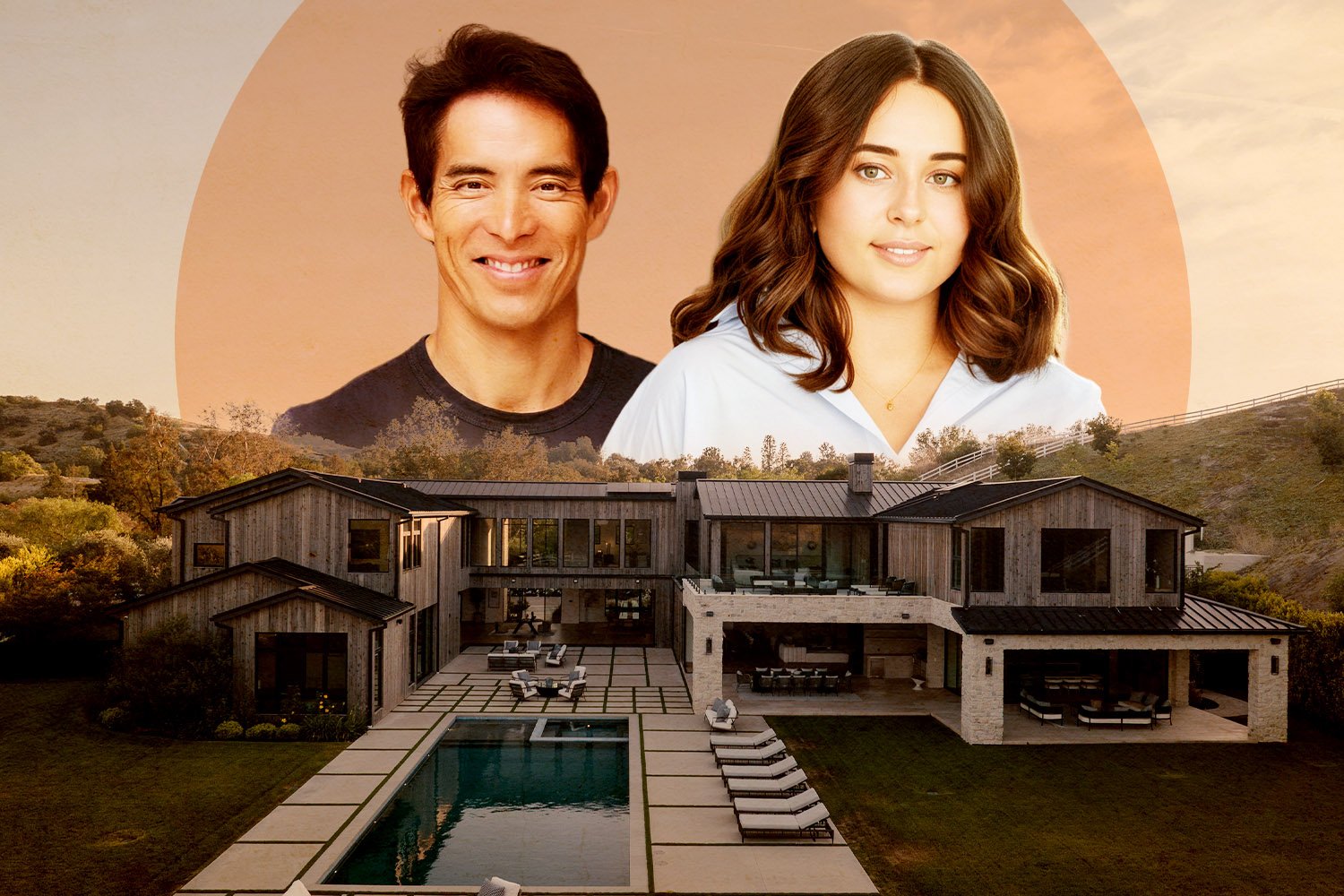
The first wave of TDR Development's new collection of mansions has hit the market in Hidden Hills, one of Los Angeles' most exclusive neighborhoods, with asking prices reaching up to $40 million, according to The Real Deal. The five homes launch in a gated, two-square-mile city in the west San Fernando Valley where the ultra-wealthy — including high-profile names like Kim Kardashian — have long gathered for privacy and security.
The listings represent a concentrated bet on luxury new construction in a market where land is scarce and equestrian-zoned privacy commands a steep premium. For a single developer to bring five mansions to market at once is itself a signal: confidence that demand at the top of the Westside band remains durable.
The data behind the launch
Hidden Hills sits within Tier 2 of the luxury Westside markets, adjacent to Calabasas and the broader corridor that runs from Bel Air to Hidden Hills. Its appeal is structural: a gated perimeter, low-density equestrian zoning, and a level of privacy that buyers at this tier increasingly treat as non-negotiable. The Real Deal frames the TDR collection as the opening salvo in a larger program — a first wave, with more to follow.
$40M — top asking price in the new collection (The Real Deal, June 2026)
5 — mansions launched by TDR Development
2 sq mi — total footprint of the gated city of Hidden Hills
What the listing coverage does not foreground is the city's geography. Hidden Hills lies against the Santa Monica Mountains and the wildland-urban interface that defines so much of the Westside's exposure — the same terrain that has shaped insurance underwriting across Calabasas and the surrounding canyons. Any new construction here in 2026 enters its first full operating year under the updated California WUI Code (Title 24, Part 7), which governs exterior fire exposure for new builds in Fire Hazard Severity Zones.
What this means for the LA market
A five-mansion spec collection is a wager on velocity — that finished, move-in-ready product at the top of the market clears faster than land does. That logic is sound. But it concentrates the developer's decisions into a single design language, repeated five times, and those decisions outlive the sale. In fire-exposed Westside markets, the most consequential of those decisions is rarely visible on a tour.
Buyers at the $20M–$40M level have grown noticeably more sophisticated about what they are inheriting. The premium they pay buys the finish and the address; what they live with afterward is the envelope, the roof assembly, and the question of whether the home is straightforwardly insurable. For spec developers, that shifts the calculus: the structural specification is no longer a back-of-house engineering detail but a front-of-house value proposition.
A collection that wins on permanence — not just presentation — answers a question the buyer is already asking before they tour.
The Hidden Hills launch is worth watching less for its prices than for what it reveals about supply. As more new-construction inventory enters the most fire-exposed luxury corridors of Los Angeles, the homes that hold their position will be the ones whose physics were settled before the finishes were chosen.