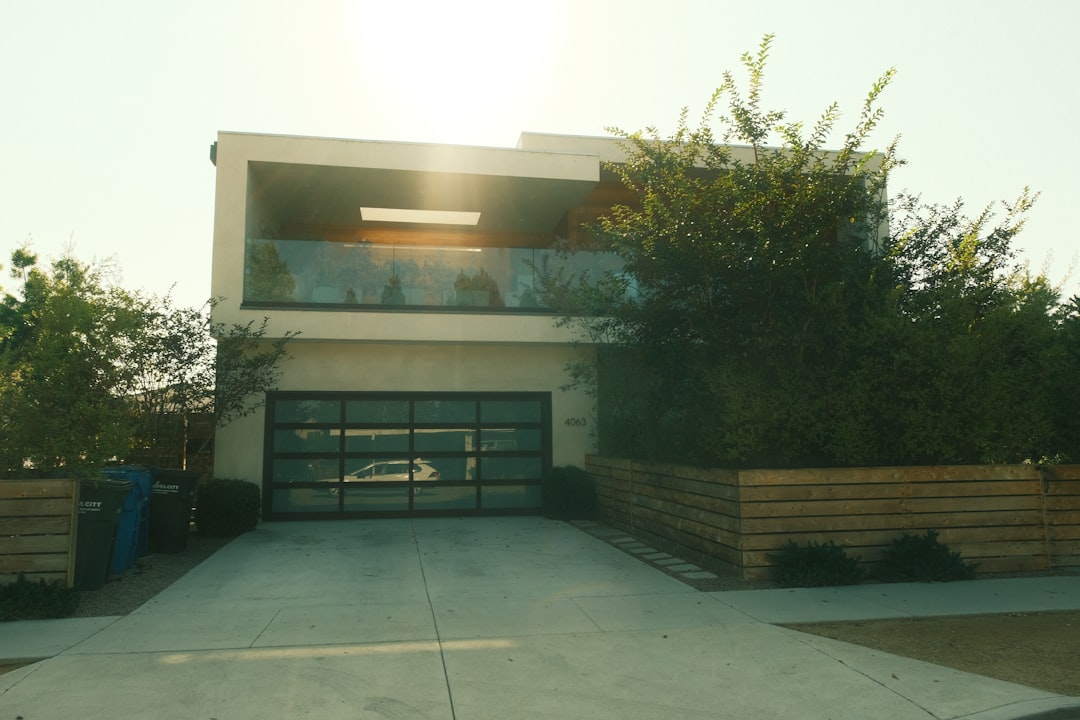
A report shared this month via California Post on X drew attention for a single number: Los Angeles' first fire-resistant home, it states, costs just $410,000 to build, with a structure engineered to withstand flames for hours. The framing is deliberate — fire-resilient construction presented not as an exotic upgrade, but as an accessible, buildable reality in 2026.
The headline matters less for its precision than for what it signals. For years, the California conversation has treated fire resistance as a cost ceiling — something only the largest budgets could reach. A report pricing a fire-resistant home in the low six figures pushes against that assumption and puts the focus where it belongs: on how a building is assembled.
The Data Behind the Number
The $410K figure, as shared by California Post, describes build cost for a structure designed to resist flame exposure measured in hours rather than minutes — a performance threshold that depends almost entirely on the wall assembly and the absence of combustible materials in the envelope.
That performance aligns with what state and research bodies already reward. California's Safer from Wildfires program defines 12 mitigation measures, and by law every insurer must offer a discount for measures adopted. Research from the Insurance Institute for Business & Home Safety consistently identifies ember intrusion and combustible cladding — not direct flame contact — as the leading drivers of structural loss in wildfire events.
$410K — reported build cost for LA's first fire-resistant home
Hours — engineered flame-resistance window
12 — Safer from Wildfires measures insurers must recognize
In other words, the cost-to-performance ratio of fire-resistant construction is improving as the assemblies that deliver it — non-combustible walls, Class A roofs, ember-resistant vents — become more standardized.
What This Means for the LA Market
For the Los Angeles and broader California market, the significance is psychological as much as financial. When a credible price point exists for a fire-resistant home, the buyer's question shifts from "can this be afforded?" to "what level of performance am I specifying?" That is a healthier question, and a more honest one.
It also clarifies the relationship between construction choice and insurability. With the 2026 WUI Code now mandatory for new builds in Fire Hazard Severity Zones, non-combustible assemblies are moving from optional to baseline. The homes that satisfy code natively — rather than through bolt-on retrofits — are the ones positioned to access the premium discounts that the Safer from Wildfires framework requires insurers to offer.
The buyer's question shifts from "can this be afforded?" to "what level of performance am I specifying?"
A single viral price tag will not resolve California's insurance crisis. But it moves the conversation toward the variable that actually governs outcomes: what the building is made of.
Looking Ahead
As more fire-resistant builds are priced and published, the market will gain something it has lacked — a clear sense of what resilience costs versus what luxury costs. Those are separable figures. The more clearly they are distinguished, the more rational California's rebuilding and new-construction decisions become over the coming cycle.