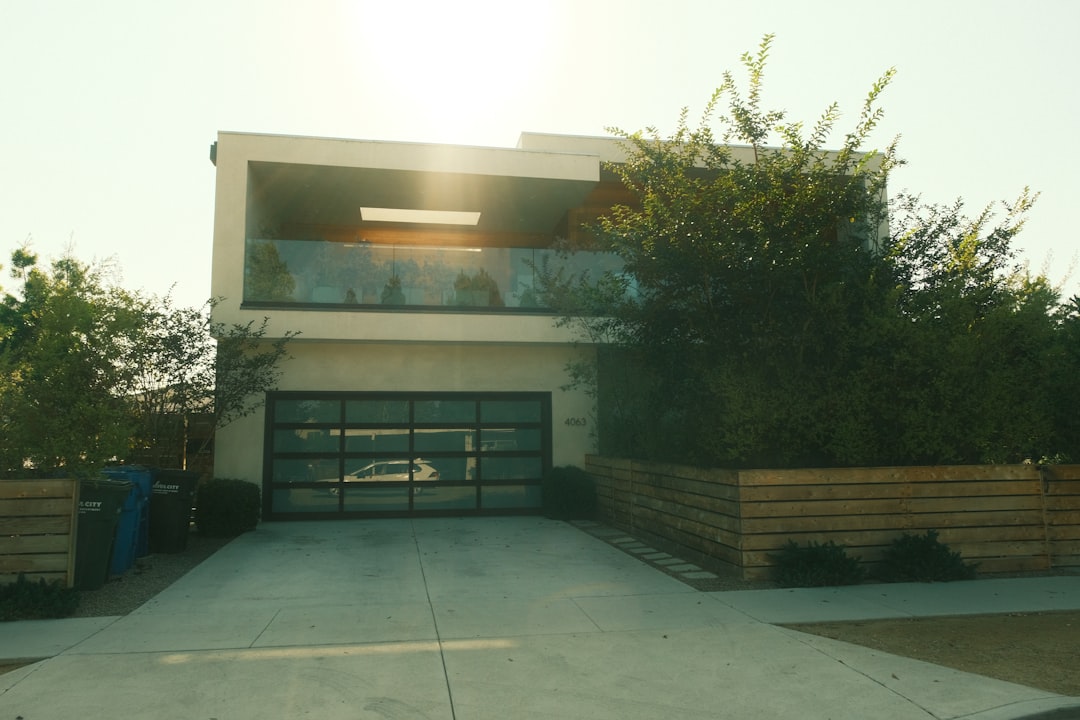
A figure circulating this week has put a concrete number on a question many Californians have been asking for years: what does it actually cost to build a home engineered to resist wildfire? According to a New York Post report amplified on X by @NYCEMSwatch, Los Angeles' first fire-resistant home was built for roughly $410,000 — and is designed to withstand up to three hours of direct fire exposure.
The number traveled quickly because it cuts against an assumption baked into the California rebuild conversation: that resilience is a luxury surcharge available only at the top of the market. A sub-half-million build cost for a home rated to hold against direct flame for hours reframes the question — from whether fire-resistant construction is affordable to what, precisely, that price is measuring.
What the number measures — and what it doesn't
The reported $410,000 reflects build cost, not land, entitlements, soft costs, or finishes — variables that move dramatically across Los Angeles' fire-exposed geographies. The headline performance claim, resistance to up to three hours of direct fire exposure, is the more durable signal. Three hours is a meaningful threshold: most wildfire fronts pass a given structure in a matter of minutes to an hour, with ember exposure the dominant failure mode for conventional homes.
$410K — reported build cost of the home, per the New York Post report shared via X.
3 hours — the direct fire exposure the design is engineered to withstand.
12 measures — the wildfire mitigation steps that, under California's Safer from Wildfires framework, trigger mandatory insurer discounts.
Crucially, a build cost in isolation says nothing about insurability. Under California's Safer from Wildfires program, every insurer is required by law to offer premium discounts for each of 12 mitigation measures a home adopts. Separately, the IBHS Wildfire Prepared Home standard — recognized by carriers including Mercury, USAA, and Chubb — ties research-validated hardening to real underwriting outcomes. A low build cost matters far less than whether the assembly satisfies those frameworks natively.
What it means for the LA market
The significance of a single $410,000 build is less about that home and more about what it normalizes. For years, the Los Angeles rebuild discourse has framed fire resistance as a premium feature — something layered onto a conventional structure through upgraded vents, Class A roofing, and defensible space. A ground-up, non-combustible design at this price point suggests resilience is increasingly an architectural baseline, not an upsell.
The variable that decides whether any of these numbers hold up is the structural material. Fire-resistant performance applied as a layer of treatments degrades and demands maintenance; performance that is intrinsic to the envelope — a non-combustible structure — does not. For Malibu, Beverly Hills, and the Westside fire zones where insurability now gates value, the relevant comparison is not one build cost against another. It is which approach the market — and the carriers underwriting it — will still recognize in a decade.
A build cost in isolation says nothing about insurability — the assembly does.
The encouraging signal in this week's figure is that the conversation has moved past whether fire resistance is achievable and onto what it costs and how it performs. That is the right debate to be having. As more verified data on build costs and fire ratings enters the public record, California buyers gain something the insurance crisis has long denied them: a basis for comparison grounded in engineering, not anxiety.