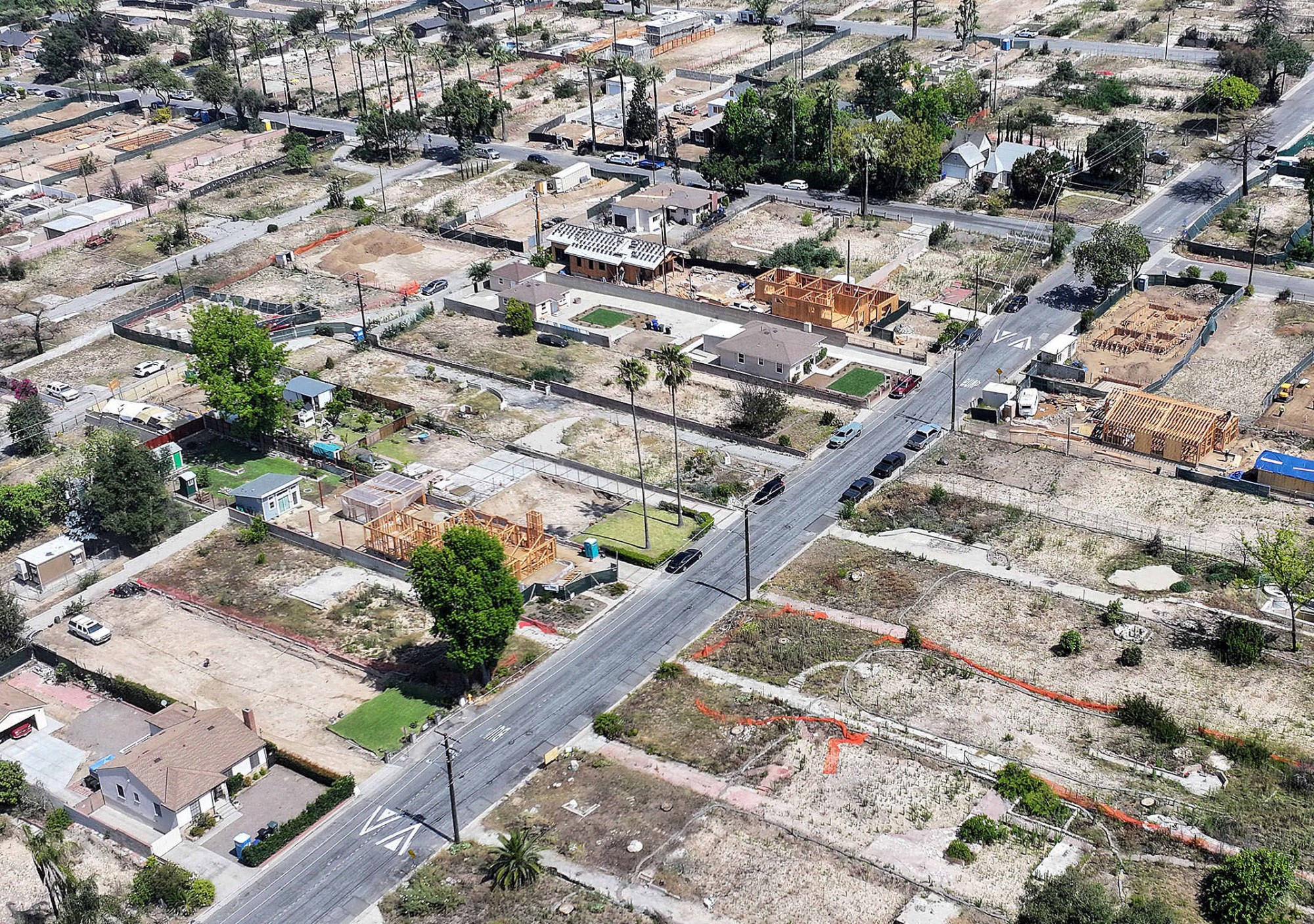
California's insurer of last resort is about to get materially more expensive. The FAIR Plan, the state-chartered pool that covers homeowners unable to find coverage in the voluntary market, will raise rates by an average of 29.1% effective October 15, 2026, according to reporting from the Monterey Herald on the California Department of Insurance approval. The increase falls hardest on homeowners in high-risk, fire-prone areas — precisely the geographies where the FAIR Plan has absorbed the most policies over the past three years.
For luxury homeowners in Malibu, Beverly Hills-adjacent canyons, and the Westside fire interface, the news is less about the headline percentage and more about what it confirms: the FAIR Plan is no longer a quiet fallback. It is becoming an explicit cost line in the ownership math of any home that cannot secure voluntary coverage.
Data & Context
The FAIR Plan exists because California requires every licensed property insurer to participate in a shared pool that writes policies for risks the private market declines. As non-renewals climbed in the wildfire-exposed brackets of Los Angeles and Ventura counties, the plan's policy count has grown sharply — and so has its exposure. The 29.1% increase, per the Monterey Herald, is the regulator's response to that exposure imbalance.
29.1% — average FAIR Plan rate increase effective Oct. 15, 2026
October 15, 2026 — effective date for the new rate structure
12 — Safer from Wildfires mitigation measures defined by the California Department of Insurance
For context on the mitigation side, the California Department of Insurance Safer from Wildfires program requires every admitted insurer to offer discounts tied to twelve specific mitigation measures, ranging from Class A roofing and ember-resistant vents to defensible-space management and community-level hardening. Layered on top, the IBHS Wildfire Prepared Home standard — and its higher Plus tier — is recognized by major carriers including Mercury, USAA, Travelers, and Chubb as a basis for wildfire-related premium reductions.
The gap between those two realities — a FAIR Plan that is getting structurally more expensive, and a voluntary market that is getting structurally more selective about what it will insure — is the strategic question for any homeowner building or rebuilding in 2026.
What This Means for the LA Market
For the Los Angeles luxury market specifically, the 29.1% increase changes the shape of the calculation in two ways.
First, it narrows the cost gap between FAIR Plan dependency and qualifying for voluntary coverage through hardening. Owners who treated the FAIR Plan as an acceptable bridge are now facing a meaningfully larger annual outlay — and a wrapper policy stack that, in many cases, already approaches or exceeds voluntary-market quotes for comparable, hardened homes.
Second, it sharpens the underwriting question at the construction stage. Insurers writing in Tier 1 wildfire geographies are increasingly looking for the full stack: Class A roof, non-combustible cladding, ember-resistant vents, defensible Zone 0, and ideally an IBHS designation. A home designed from the outset around that stack is positioned to remain in the voluntary market. A home that retrofits piecemeal is positioned, structurally, for the FAIR Plan.
The FAIR Plan was designed as a backstop. The 29.1% increase is the regulator's signal that it cannot keep functioning as a default.
For new construction commissioned in 2026 and 2027, this resets the priority order. Insurability is no longer a paperwork exercise handled in the final months of the build. It is an upstream design constraint that shapes envelope, roof, vent, and landscape decisions from the schematic phase forward.
Looking Ahead
The October 15 effective date gives the market roughly five months to recalibrate. Expect underwriting standards in the voluntary market to tighten further as carriers compete for the hardened-home segment, and expect the IBHS Wildfire Prepared Home Plus designation to become a more visible reference point in luxury construction briefs across Malibu, Beverly Hills, and the Westside. The FAIR Plan increase is not the end of California's insurance restructuring — it is one more data point in a longer realignment between how homes are built and how they can be covered.