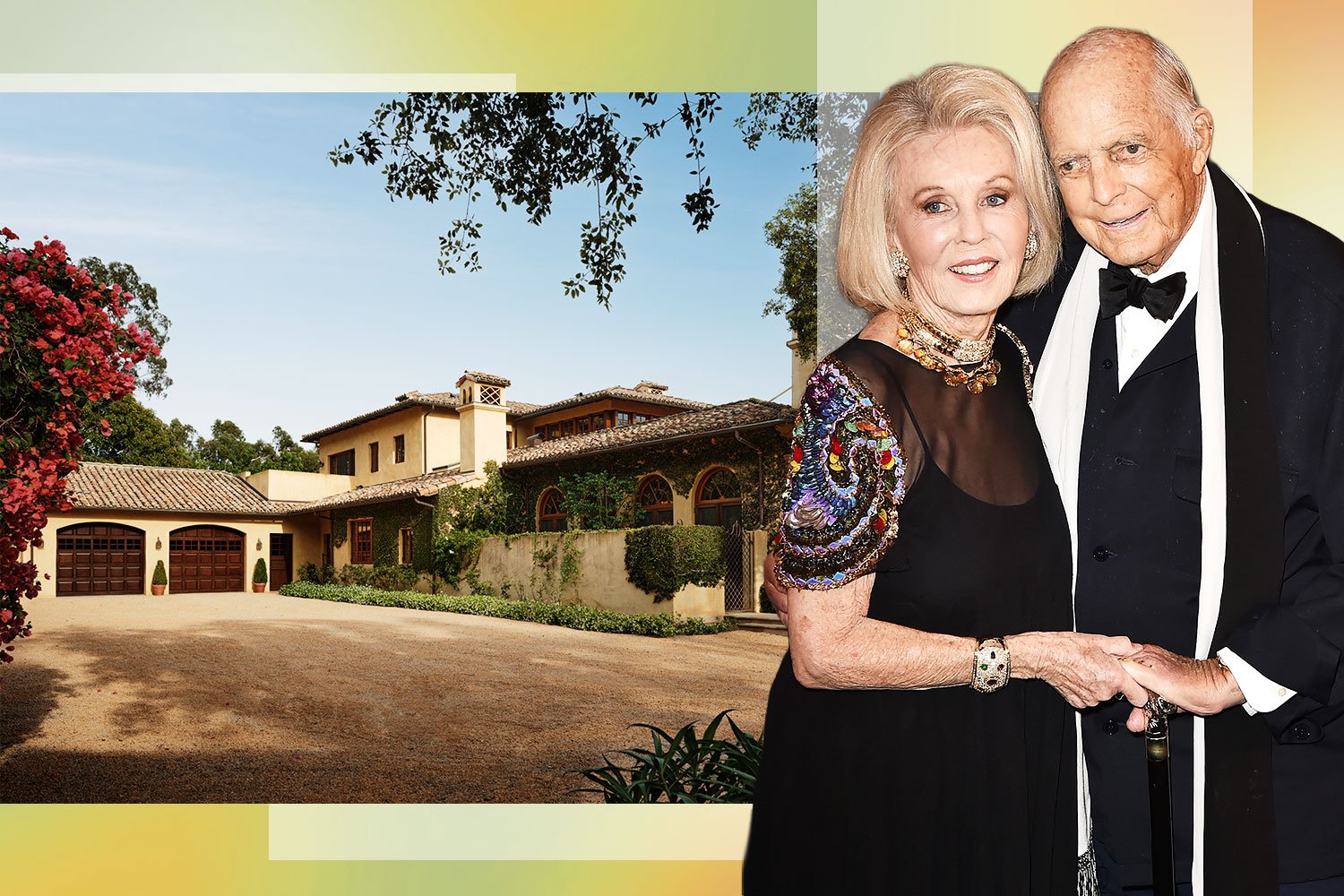
One of Bel Air's most prominent family compounds has reached the market. According to The Real Deal, Villa Cresta — the longtime home of the late financier John Hotchkis and arts patron Joan Hartley Hotchkis — has listed for $65 million. The more than four-acre estate is being marketed by Compass agents David Kramer and Andrew Buss, placing a named, villa-typology compound at the center of one of Los Angeles's most coveted Westside enclaves.
It is a listing defined less by a single house than by tenure. A four-acre compound held by one family across generations is, in real estate terms, an unusually long-held asset — and that longevity is precisely what the price reflects.
The Data Behind a Named Compound
The Hotchkis listing arrives in a Bel Air market where scale and permanence command a premium, and where the construction underneath that permanence increasingly matters. The estate's four-plus acres and $65 million ask, per The Real Deal, position it among the Westside's most substantial single-family offerings of the season.
$65M — asking price for Villa Cresta, Bel Air
4+ acres — estate footprint on a single compound
Up to 6% — appraisal premium associated with resilient construction in comparable Southern California markets (NAR Cost vs. Value Report)
What an estate of this scale tests is the relationship between size and durability. In comparable Southern California markets, resilient construction has been associated with appraisal premiums of up to 6% over conventional wood-frame, per the NAR Cost vs. Value Report cited in My Villa's own value framework. Historical data in fire-exposed California markets, drawing on JRER and county assessor records, suggests a directional appreciation spread of one to two percentage points per year for resilient construction. These are not guarantees — they are signals that the market has begun to price the building itself, not only the land and the address.
What This Means for the LA Market
A compound like Villa Cresta sells on intangibles: provenance, acreage, a name. But the quieter story for buyers at this tier is that those intangibles now sit alongside a hard underwriting question. In Bel Air — a fire-adjacent Westside market where insurance scrutiny has intensified — the longevity that makes a legacy estate desirable is exactly what carriers are trying to assess at the wall and the roofline.
The market has begun to price the building itself, not only the land and the address.
For the next owner of an estate like this, the calculus is increasingly forward-looking: a buyer paying for permanence will eventually ask whether the structure can deliver it. The most enduring estates of the coming decade will be the ones where that permanence is engineered, not merely inherited — homes that hold value because they were built to outlast the cycles, both climatic and financial, that surround them.
Looking Ahead
As marquee Bel Air listings continue to set the tone for the Westside, the conversation around them is shifting from what a compound contains to how it is built. The estates that anchor this market a generation from now will be judged not only by their address but by their capacity to endure — and that is a question decided in the structure long before it reaches the listing sheet.